
Dogs understand the world through their noses far more than their eyes or ears. While humans have around 5 million scent receptors, dogs can have up to 300 million, depending on the breed. This extraordinary sensitivity is why certain smells that seem mild—or even pleasant—to us can be overpowering or distressing to them.
Pungent aromas can trigger avoidance instincts, discomfort, or stress in a dog. As a result, dog owners often leverage these disliked scents to redirect behavior, discourage chewing, or keep dogs away from specific areas of the home. But it’s essential to use this knowledge responsibly, avoiding any scent or method that could irritate their eyes, nose, or respiratory system.
The Most Hated Smells According to Canine Science
While every dog is unique, research and professional experience consistently point to several scents that most dogs instinctively avoid.
1. Citrus (Lemon, Orange, Grapefruit, Lime)
Strong citrus scents are one of the most universally disliked smells for dogs. Studies on canine olfaction suggest that the sharp limonene compounds can be overwhelming to dogs (1). While the fruit itself is safe in minimal amounts, citrus essential oils should not be used directly on dogs.
2. Vinegar
The strong acetic acid profile in vinegar produces a sharp, sour aroma that dogs find unpleasant. When diluted, vinegar is commonly used in training environments to discourage unwanted chewing or marking. It’s safe for household surfaces but should never be sprayed directly on a dog.
3. Chili, Mustard, or Hot Pepper Scents
Capsaicin—the compound responsible for the heat in chili peppers—produces a smell dogs avoid instinctively. Many trainers use capsaicin-based deterrent sprays (commercially formulated), but homemade versions can be dangerous, as capsaicin can irritate the eyes and airways.
4. Alcohol (Rubbing Alcohol, Strong Spirits)
Because alcohol evaporates quickly and releases a sharp smell, dogs typically steer clear of it. This scent should never be used directly around dogs, as inhaling alcohol vapors can irritate their respiratory system.
5. Nail Polish, Perfume, or Household Cleaners
Chemical-based scents overwhelm a dog’s sensitive nose. Dogs instinctively avoid them, although exposure to fumes can be harmful. Avoid using scented cleaners where your dog sleeps or eats.
6. Menthol and Mint
Menthol-rich smells (including toothpaste, balms, peppermint oil) are too intense for many dogs. Research suggests menthol can overstimulate olfactory receptors, causing avoidance behavior (2).
7. Coffee Grounds
A bold scent like coffee can be unpleasant for some dogs. It isn’t harmful when used on surfaces, but ingestion is toxic—so use cautiously.
Using Unpleasant Scents as a Training Tool
Deterrent scents can support training, but they should complement—not replace—consistent guidance, proper exercise, and mental stimulation.
Safe Ways to Use Scents for Training
- Distance deterrents
Apply the scent to a cotton ball or cloth and place it near the object you want them to avoid. - Surface-safe sprays
Use dog-safe commercial deterrent sprays made with diluted citrus or bitter compounds. - Small-area application
Lightly scent furniture legs or areas where inappropriate chewing occurs (again, using safe, diluted products). - Rotate scents
Dogs may adapt to one smell, so alternating between citrus and vinegar-based deterrents can maintain effectiveness.
What You Should Never Do
- Never spray strong scents directly on your dog.
- Never use undiluted essential oils.
- Never use harsh chemicals or irritant compounds.
- Never rely solely on scent deterrents without positive reinforcement.
Stopping Flap Chewing with Targeted Scent Strategies
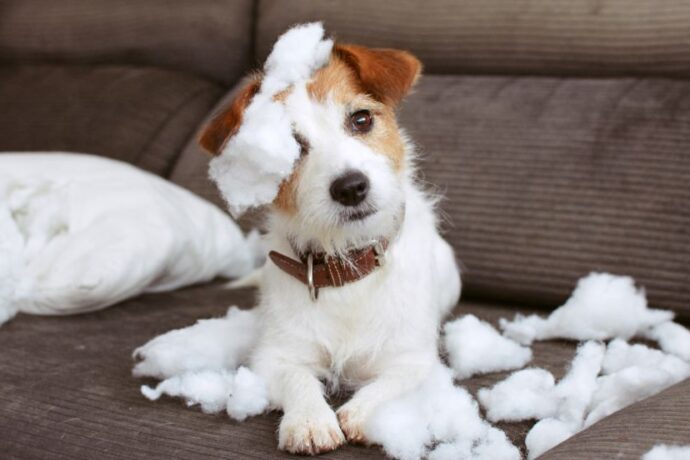
Some dogs chew door flaps, pee pads, wires, or fabric flaps due to boredom, anxiety, teething, or habit. Scent-based strategies can help disrupt this behavior.
Step-by-Step Approach
Step 1: Identify the Trigger
Is the chewing due to separation anxiety? Teething? Lack of stimulation? Understanding the cause improves success.
Step 2: Choose a Safe Deterrent Scent
The best options for flap chewing are:
- Diluted citrus spray
- Diluted white vinegar
- Commercial bitter apple or bitter lemon spray
These are safe for most household materials and widely used by trainers.
Step 3: Apply Sparingly
Lightly mist the areas your dog chews. Avoid soaking the surface—strong scents can irritate their nose if overapplied.
Step 4: Pair With Positive Alternatives
Provide:
- Durable chew toys
- Frozen treats
- Puzzle feeders
- Rope or rubber chew items
Reward your dog when they choose the correct item to chew.
Step 5: Maintain Consistency
Reapply the scent every 1–2 days or after cleaning. Dogs learn through repetition.
Why This Works
Canine behavioral studies show that pairing an undesirable sensory experience (smell or taste) with an unwanted action (chewing) weakens the behavior over time. The dog forms a negative association with chewing the flap and naturally avoids it.
What Research Says About Canine Olfaction
Scientific studies in veterinary sensory biology highlight that dogs possess millions of olfactory receptors and an enlarged olfactory bulb (3). This allows them to detect chemical compounds at extremely low concentrations. Research on scent aversion shows:
- Dogs naturally avoid volatile organic compounds like limonene (citrus) and acetic acid (vinegar).
- Overly intense scents can cause stress responses, including lip licking, head turning, or retreating.
- Training that incorporates scent-based aversion is most effective when paired with reward-based reinforcement rather than punishment.
While scent-based deterrents work, they should always be used safely and ethically to avoid causing discomfort or fear.
FAQs
1. Is it safe to use citrus or vinegar near my dog?
Yes—when properly diluted and used on surfaces, not directly on the dog. Avoid essential oils and avoid spraying around your dog’s face.
2. Will scent deterrents work for every dog?
No. Some dogs become desensitized or don’t mind certain smells. You may need to rotate deterrents or combine scent strategies with training and behavioral enrichment.
3. Can strong scents harm my dog’s nose?
Only if used improperly. Harsh chemicals, concentrated essential oils, and irritants (like chili sprays) should be avoided. Stick to dog-safe formulations.
Final Thoughts
Dogs experience the world through smell, which makes scent a powerful tool for shaping behavior. Understanding what smells dogs hate—citrus, vinegar, menthol, chemical fumes, and pungent spices—allows you to guide them away from unwanted habits like chewing, marking, or entering certain areas.
When used responsibly and paired with positive reinforcement, scent-based strategies can support effective, humane training. Always choose safe, diluted products, monitor your dog’s reactions, and prioritize their comfort and well-being.
References: