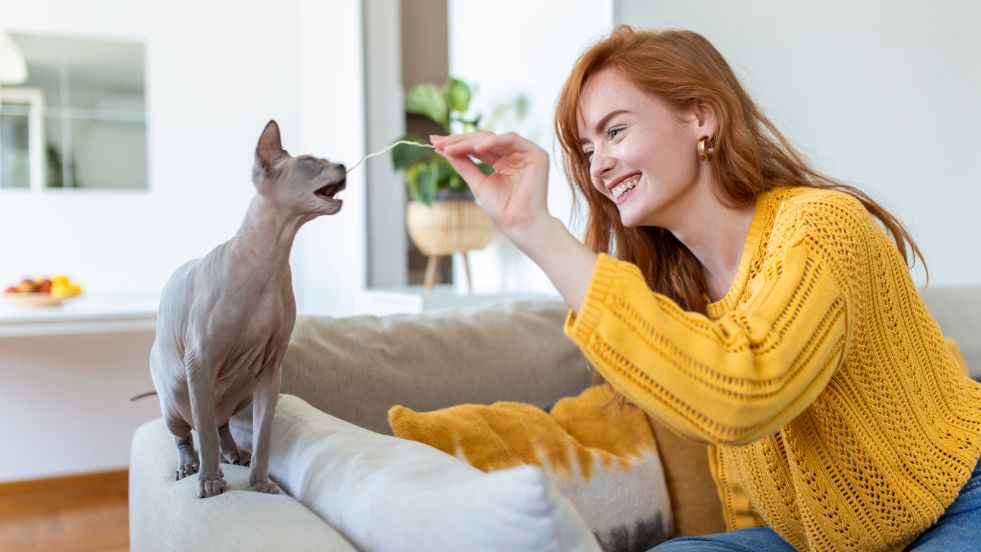
Keeping a cat indoors is the safest way to protect them from outdoor hazards—but it can also mean a life of boredom if they’re not mentally and physically stimulated. Cats are natural hunters, climbers, and explorers. Without proper enrichment, they may develop behavioral problems such as scratching furniture, overeating, or excessive meowing. The good news? You can easily turn your home into a feline playground. Let’s explore 13 expert-approved ways to keep your indoor cat entertained and thriving.
1. Create a “Cat TV” Window Spot
Set up a perch or cat tree near a sunny window where your cat can watch birds, squirrels, or passing people. The movement outside acts as natural entertainment. Studies from Applied Animal Behaviour Science suggest that visual stimulation, such as bird watching, reduces stress in indoor cats (1).
2. Rotate Toys Regularly to Prevent Boredom
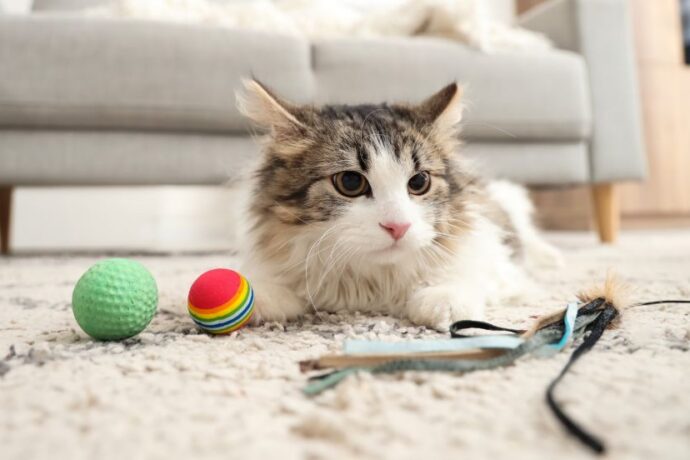
Instead of leaving all toys out at once, rotate them weekly. This mimics the unpredictability of prey and keeps playtime exciting. Toys with feathers, bells, or crinkly sounds tend to spark curiosity.
3. Try Interactive Puzzle Feeders
Puzzle feeders or treat-dispensing toys engage your cat’s hunting instincts while slowing down eating. According to feline behaviorists, problem-solving activities increase mental stimulation and help prevent obesity in indoor cats.
4. Dedicate Time for Daily Play Sessions
Engage your cat in 10–15 minutes of active play twice a day using wand toys or laser pointers. Movement-based toys simulate hunting behavior and release pent-up energy—essential for cats that spend most of their time indoors.
5. Build a Vertical Playground
Cats love climbing and surveying their territory from above. Install cat shelves, trees, or towers to create vertical spaces. Vertical territory not only satisfies climbing instincts but also reduces territorial stress, especially in multi-cat homes.
6. Provide Safe Hiding Spots
Cats feel secure when they have a private retreat. Cardboard boxes, cat tunnels, or cozy covered beds can provide comfort and reduce anxiety. Research shows that hiding places help lower cortisol levels in cats.
7. Introduce Catnip or Silvervine
Catnip (Nepeta cataria) and silvervine (Actinidia polygama) can elevate your cat’s mood and encourage play. Around 60–70% of cats respond positively to catnip, showing signs of pleasure and relaxation, according to a Behavioral Processes study.
8. Train Your Cat with Clicker Techniques
Yes, cats can be trained! Use positive reinforcement and clicker training to teach tricks like “sit,” “high five,” or “come.” This strengthens your bond and gives your cat a sense of achievement and mental exercise.
9. Offer a Variety of Textures and Surfaces
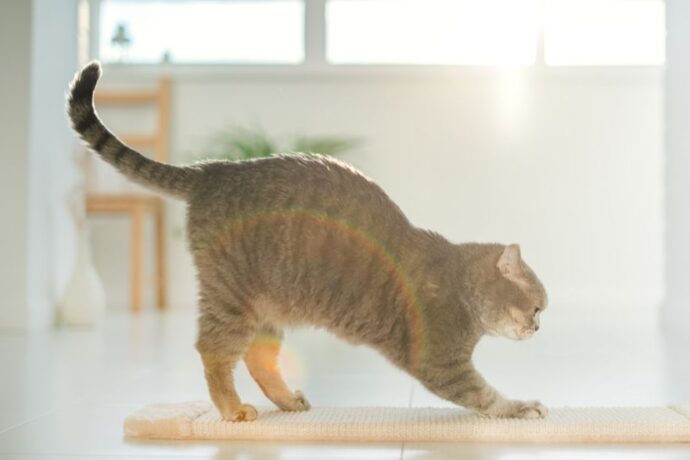
Cats enjoy exploring different surfaces—carpet, sisal, cardboard, and wood. Providing diverse textures through scratching posts or mats keeps their claws healthy and satisfies natural scratching urges.
10. Add a Cat Fountain for Hydration and Fun
Flowing water is naturally appealing to cats. A pet fountain encourages drinking and provides mild entertainment through movement and sound, promoting better kidney and urinary health.
11. Schedule Bird-Feeder Watching Time
If possible, install a bird feeder outside your cat’s favorite window. It creates an endless “cat TV” show while keeping wildlife safely out of reach.
12. Set Up Safe Outdoor Time (Catio or Harness Walks)
A catio—a secure, screened outdoor space—allows your cat to experience fresh air safely. Alternatively, train your cat to walk on a harness for supervised outdoor adventures. Both satisfy curiosity and reduce boredom-related behaviors.
13. Use Calming Music or Cat-Friendly Videos
Certain sounds and visual content made specifically for cats can help reduce loneliness and anxiety when you’re away. Research from the Journal of Feline Medicine and Surgery indicates that classical and species-specific music can calm cats and improve overall well-being (2).
The Science Behind Feline Enrichment
Environmental enrichment—mental, physical, and sensory stimulation—is vital for a cat’s emotional health. A 2020 study in Frontiers in Veterinary Science found that cats provided with varied play, social interaction, and novel stimuli exhibited fewer stress behaviors and improved mood (3). Keeping your indoor cat active mimics the challenges of outdoor life, promoting balance and contentment.
Frequently Asked Questions
1. How many hours a day should I play with my indoor cat?
A. Aim for at least two play sessions of 10–15 minutes each. Younger cats may need more frequent interaction to stay happy and tired.
2. What are the signs my indoor cat is bored?
A. Excessive sleeping, overeating, scratching furniture, or attention-seeking behavior can all indicate boredom or lack of stimulation.
3. Can I leave my cat alone during the day if it’s an indoor cat?
A. Yes, as long as your cat has toys, scratching posts, and visual stimulation (like window perches). Consider leaving interactive toys or background music to reduce loneliness.
Conclusion:
Keeping your indoor cat entertained isn’t just about fun—it’s about health, happiness, and harmony. With the right mix of toys, playtime, and enrichment, you can nurture your cat’s instincts and prevent behavioral problems. Remember, even a few minutes of daily engagement can make your feline friend’s life more fulfilling and joyful.
References:
1. The influence of visual stimulation on the behaviour of cats housed in a rescue shelter
2. Evaluation of music therapy to reduce stress in hospitalized cats
3. Dealing With Stress in Cats